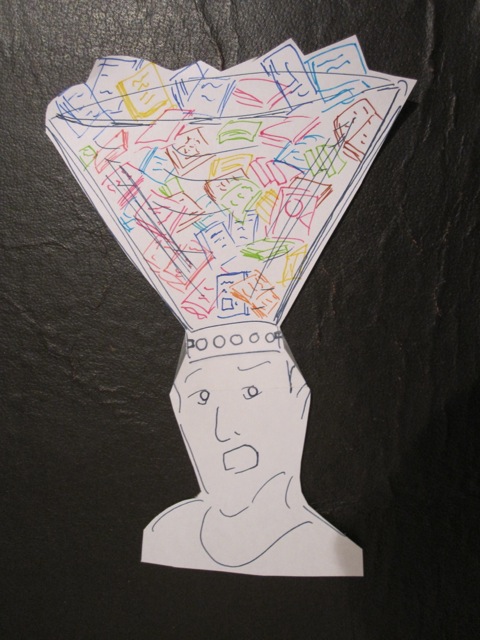
of a daylight drinker, have always preferred darkness as the backdrop to the Bacchus kiss. When I lived in old London, I’d pick coffee joints for afternoon assignations in the Soho and Covent Garden crossings of the city compass lines. One of my favourites was the Photographer’s Gallery backroom canteen off Leicester Square. I liked the prints glaring at you as you huddled over the Formica-fake benches, the gloom of the bookshop and the quiet spaces. I’m not so keen on the new gallery, off Oxford Street. There’s too much glass and too many people passing through. I joined the shuffling feet to look at the Burroughs pics there not so long ago, too distracted by all the brains ticking away around me to get into his gripes and scribbles and stark black and whites, all glass-cased and not much larger than a page torn from a book. He never touched my heart, Bill, not like Jack and Neal and Corso and Huncke and all the others, Bill just wasn’t a romantic figure, everything about him was sour and starched. That said, I wish I could have dropped by his villa for cocktails in Mexico City one of those sultry afternoons, when Jack was living in the back room writing Tristessa. All the books. All those snippets of dreams. And Bill’s cut-ups ideas are startling, the more time I spend on words the more chance meetings, splits, echoes, rebounds and bumps I spy in stories and art. All art moments – a music track, a short story, an image – they might all be cut-up escapes and diversions, snippets of dreams where we can hide and reflect for a few seconds, slipping loose from our reality boots. They might remind us of truths these cut-up shards, but I’m not sure they’re truths themselves. I feel this as I write my fantasy scenes and moments in make-believe lives for the story I’m working on, trying to anchor them to a narrative. What’s more true, the cut-up strangeness or the this-happened and so that-happened storytelling? Burroughs might get the last laugh.