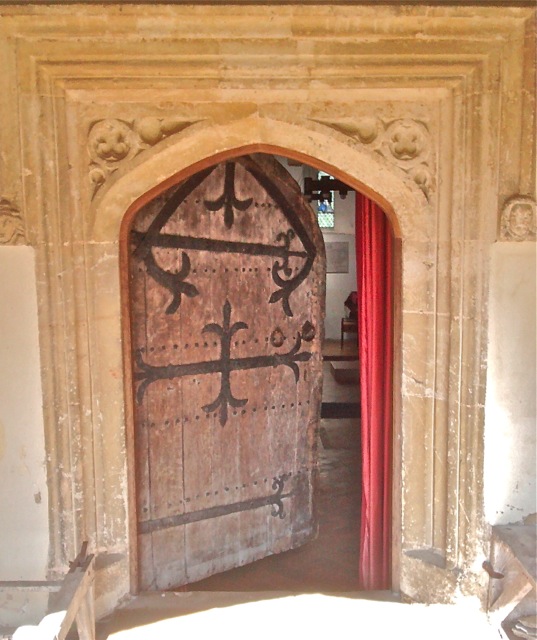
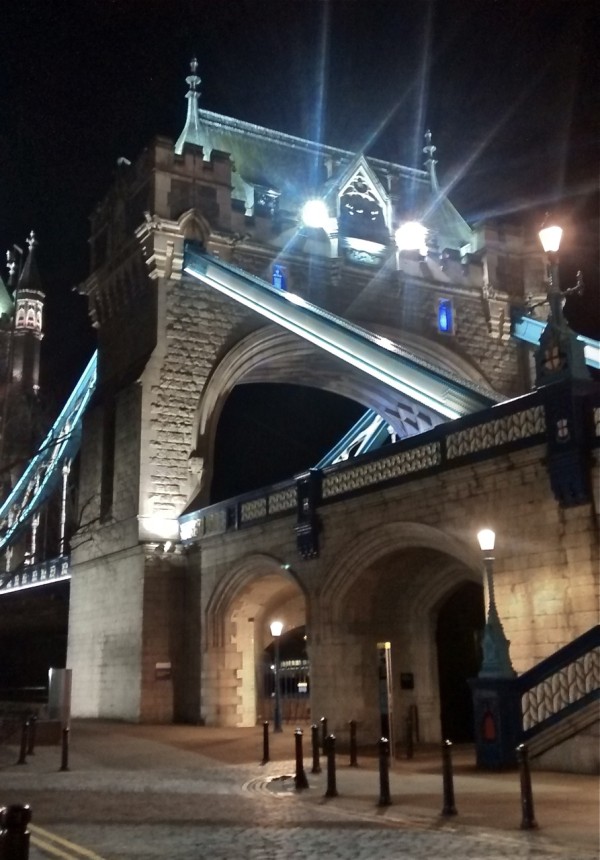
God knows I’ve missed those cobbles and arches. Hello old friend, they’ve spruced you up. But Raleigh’s ghost still tiptoes past a few wedged beer bottles and fag ends.
I thought, here’s somewhere to run to. I don’t long for London’s cobbles, arches and corner pubs the way I once did, to be a wanderer in the mechanism. I’m crowd-shy and I don’t walk tall as I used to. In Devon, I liked the beer and the sea and the overwatching moor all silent and untenanted. We stayed in a stone-block farmhouse and you could hill-stumble down to the estuary, no sight of another, no sound but the lap and the leaf. And for a day or two I dreamed of running. But it’s the running he craves, you’re thinking, it’s the break and motion. Always another place that must be different, the endless swerving of here and now. But that’s why people fly away, change jobs, partners, brand of toothpaste, why they read and why they write, to keep running. I’m with the Greeks on this one, it’s all in motion from the first howl to the final, rasping suck when you’re out of puff and you’ve seen enough estuaries and rectories and ale and you’re ready to stop running. And I don’t get out enough these days.
in daylight, even when it has not seen you, causes a disturbance in the bloodstream.”
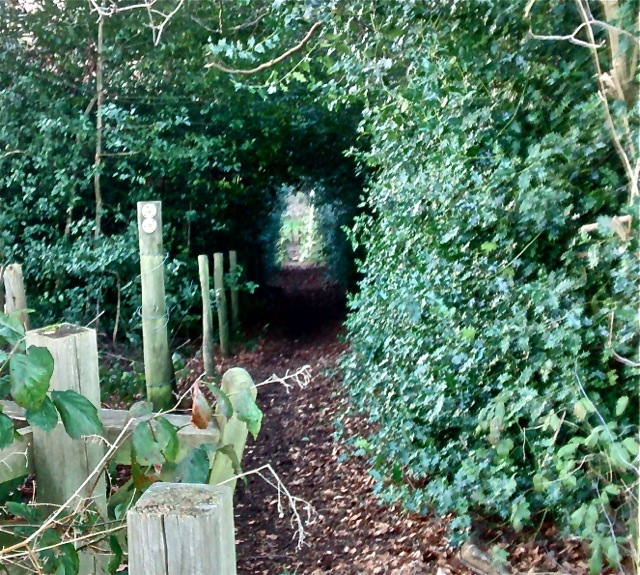
Jim Corbett’s a sanguine fella, suspended in a sagging tree with a man-eater tigress prowling the outer dark below his feet. I’ve been around the book track many times but I can still find narratives that dazzle and drag me away from the Oxford floods and the grindings of a booze-free January. Corbett’s tales of hunting rogue leopards and tigers in the Himalayan foothills are weirdly fresh and detailed enough to take you right into the jungle scrub. But it’s a life that’s long gone, back when the population of India was only at 200 million. These days the tiger national parks are throbbing with tours and Pentax snappers, what’s left of the wild is mapped and fenced. But I’ve still got my dreamings, my dog-eared, tea-stained library edition of Corbett and my Chiltern wanderings. That’s glimpse of the wild enough.
like century-stranded Lisbon or Valparaiso but it was damp and colourless on a visit last week. There were some giggles but no mirth. And the gluhwein crowds were stumbling and stolid and blank-eyed at the Christmas markets. The museums have sold all the decent Magrittes and the war fields you coast past to get there are as drab and boundless as war thoughts demand, part-hidden in mist. I sank a few Grimbergers and that made it better but there was no whiff of magic and I caught the night-morning cab to the Midi station feeling, “who the hell are you coming here, skipping the Menin Gate and dissing King Leopold?” Next time I’ll go straight to Ypres, pay my respects and head on south.
but it’s the high-hooch of distilled meaning. It bites deep. Here’s the line-mob from In Parenthesis, waiting to go over the top.
Last minute drums its taut millennium out
you can’t swallow your spit
and Captain Marlowe yawns a lot
and seconds now our measuring-rods with no Duke Josue
nor conniving God
to stay the Divisional Synchronisation
When it all settles down, internetization complete, I hope there are some people still reading David Jones.
who bought a house out in the woods. He bagged a few acres and he likes his own company. There are times I think he got it right, and often when I ride the train to London and forget to seek out the quiet coach. Gotta love those office catch-up calls. Riding through Pangbourne and into the tree-dark cuttings I press my cheek to the glass and dream of a life in the woods, free from all devices. But I’m just another city-boy faker and I know it. And that guy I know spends two hours a day, every day, stoking his log burner…
above Hambleden today, mindful of the American units encamped here in the run-up to D-Day. I caught mention of them, reading for a book I’m trying to put together. Master of the Light Brigade was born in the village and there’s a Roman fort over the field so these woods should be full of the vapours and phantoms of gone-fighting men, but there was not even a sigh to disturb the circling Red Kites. Blunden’s ears would have pricked up at their call.
by Young kept Edmund Blunden sane in the trenches. You can see how Blunden draws strength from the long poem in his own, Undertones of War. I went in search of Night Thoughts. The great Library of the Dead yields another, time-slaying treasure.
All men think all men mortal, but themselves:
Themselves, when some alarming shock of fate
Strikes through their wounded hearts the sudden dread;
But their hearts wounded, like the wounded air,
Soon close; where pass’d the shaft, no trace is found.
As from the wing no scar the sky retains;
The parted wave no furrow from the keel;
So dies in human hearts the thought of death.