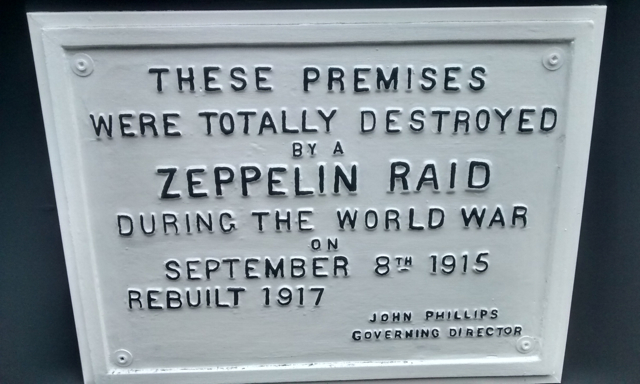
the doors stand open. Stumble the back lanes to find your way to the story museum.
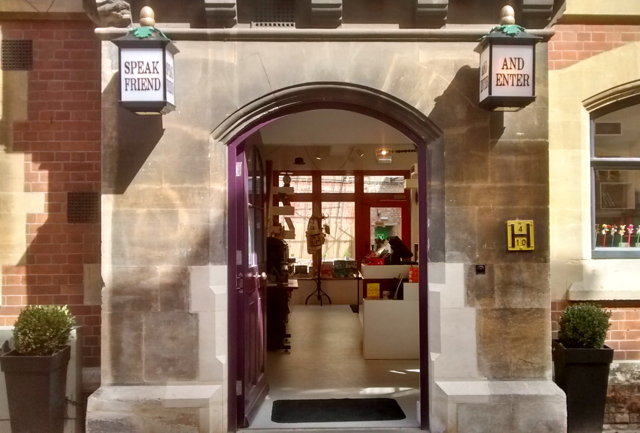
the doors stand open. Stumble the back lanes to find your way to the story museum.
as I ride out into the cobbled nexus south of the station, with thoughts of the bewitched Anselmus and his whispering Serpentina so fresh in my mind. It’s early and the turns are quiet, only a few solitary laggards from the big night out thrashings timidly pacing home, or still-waking girls off to start their shifts at the counters and tills. Down the alleyways I ride, musing on the shapes stirring behind blinds and shutters, lives being lived out. It would only take a glance or tiny call for help from one of the rare passers-by – a Brief Encounter speck of dust in the eye – to start the story, but of course it doesn’t happen. That’s for the books. And the daydreams, of other lives and futures lived out on pages.
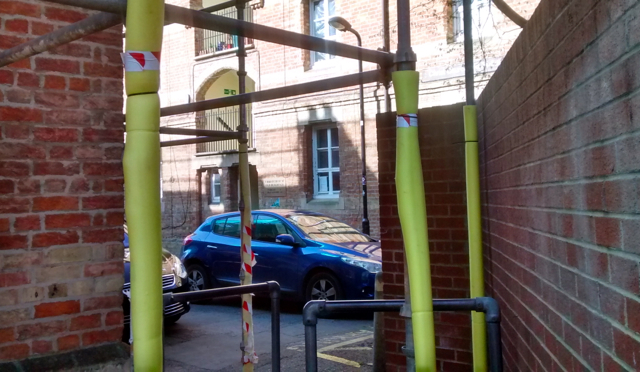
from his tale, The Golden Pot, lives in “an old house in a remote part of the town”. Why is it that on reading this I am immediately entranced, why do the lonely, hidden quarters of a town lure and fascinate? It’s down in the dark places and backstreets that the stories grow, where a footstep click or flash of a figure turning a corner jolts the imagination into life. It’s the secrets and hidden yearnings of the players in a city hinterland that spellbind.

for years, never made the things I’ve dreamed real. I blew the sequence, thought I could write something full of mystery and wonder, something arrived at. I’m not sure it can even be done. It might have been wiser instead to write the steps, if I could, and see where they carried me. But the words will come or they won’t, come with the clouds or skip away from my fingers like spring’s breeze-blown butterflies.
of Tennyson Down and out to the lonely fort overlooking the Needles. As an icon for old England, what views can rival these chalk plates sawing into the blue? It’s a calendar shot, like Stonehenge or the Dover cliffs but I wonder what it means to those who didn’t grow up with Spitfire stories, the silver jubilee and power strikes. Are they any less spellbound by those war era tales of the plucky island fighting off invaders? The Needles as a national symbol might be some Dad’s Army throwback but I can’t stare down at them without thinking of a gateway to England, chalk flag border posts stamped into the seabed. And old rusting guns look down on them too, of course, tunnel searchlight boxes and blackened pom-pom mounts. The army sends its soldiers to all frontier outposts, our postcard English sea tail is no exception.
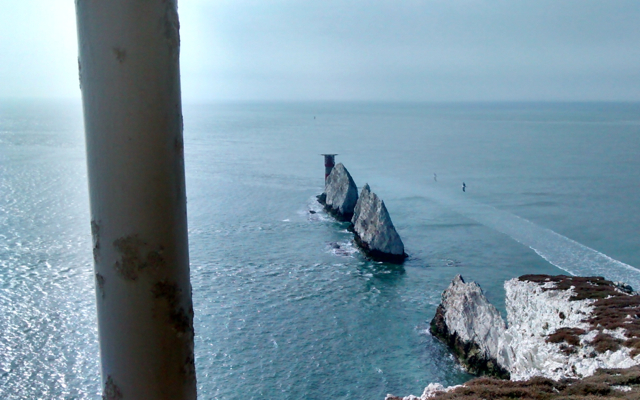
on the south cliffs, to warn sailors away. Next, a lighthouse and today a tall granite cross monument to Lord Tennyson, poems flashing out across the waves.
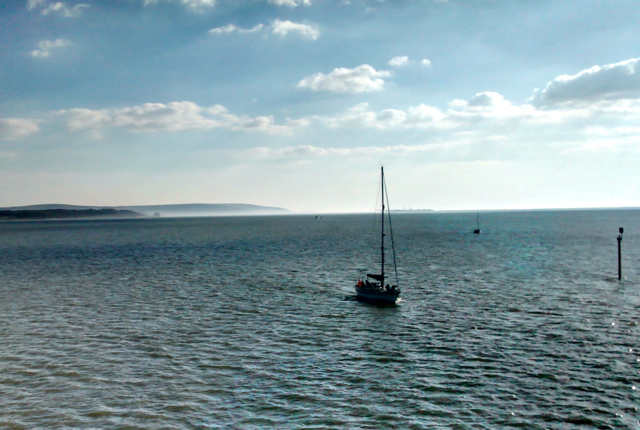
nudging through the channel lane, watching the mist curl over the faraway downs. What’s better than a ship to carry you away from your everyday cares and land anchors?
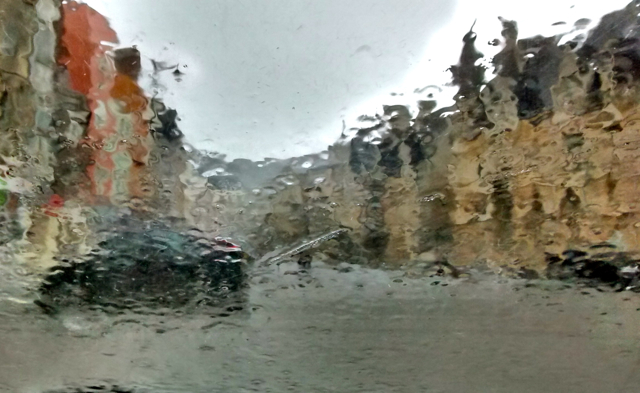
in the post-equinox storms, the town’s mask slips into another version of the what-I-see. Visitors stand mute in doorways, pressed back from the hiss and sudden street mists but it’s all calm here in my cracked-leather cabin. I’ve hours looming all to myself at the empty apartment, paramour pages waiting to carry me back out on the Murmansk run with Captain Harinxma, dreaming of the light above the Arctic Circle line, wondering how he’ll survive. I wait for the town picture to clear and take hold, so that I might return to the books.
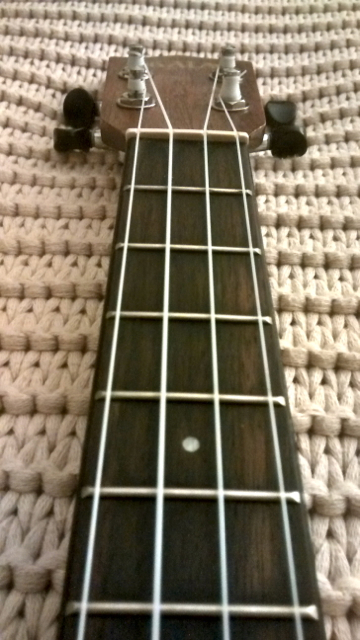
these thirty years and more. This week I’ve been listening to Chet Aktins and I finally wised up, that cat can play. Segovia, Django, Robert Johnson, brook no prejudice, chase it down until you finally understand. He’s up with the greats, his playing speaks to the heart.
since the blows of the Great War but you’ll still discover scar traces in London’s turns and alleyways.